

Polyester Polyols
Why Choose Us
Quality Control
Our factory has a long history in the professional field and has received strong support from the government. It has advanced production equipment and a strict quality management system.
One-stop Solution
We can help customers develop more valuable and effective project solutions. We are committed to meeting customer needs in a timely manner and providing personalized solutions.
Rich Experience
We have an experienced technical team and management team to ensure the stability and reliability of our products.
Excellent Team
Beiqiao pays attention to team building and talent training, and has a high-quality R&D team and sales team that is energetic, experienced, and efficient.
Polyester polyols, which are organic substances, are usually formed by condensation (or transesterification) of an organic dicarboxylic acid (anhydride or ester) with a polyol (including a diol) or by polymerization of a lactone with a polyol. The dibasic acid is phthalic acid or phthalic anhydride or an ester thereof, adipic acid, halogenated phthalic acid or the like. The polyhydric alcohol is ethylene glycol, propylene glycol, diethylene glycol, trimethylolpropane, pentaerythritol or the like. Different types of polyester polyols have different properties due to different types or different preparation processes. Several indicators that are important for polyester polyols are hydroxyl number, acid value, moisture, viscosity, molecular weight, density, and color. Characteristics and uses of polyester polyols: Polyester-based polyurethane contains a large number of polar groups such as ester groups and amino groups in the molecule, and has strong cohesive strength and adhesion, and has high strength and wear resistance.
-
![Polycarbonate Diol PCDL]() Polycarbonate Diol PCDLPolyester polyol is a critical component in the production of rigid foams, widely used in various industries for its excellent performance and versatility. Can be used for for solar...read more
Polycarbonate Diol PCDLPolyester polyol is a critical component in the production of rigid foams, widely used in various industries for its excellent performance and versatility. Can be used for for solar...read more -
![Polyester Polyol For Rigid Foams]() Polyester Polyol For Rigid FoamsPolyester polyol is a critical component in the production of rigid foams, widely used in various industries for its excellent performance and versatility. Can be used for for solar...read more
Polyester Polyol For Rigid FoamsPolyester polyol is a critical component in the production of rigid foams, widely used in various industries for its excellent performance and versatility. Can be used for for solar...read more -
![Polyester Polyol For Rigid Foam]() Polyester Polyol For Rigid FoamHigh-Performance Polyester Polyol for Rigid Polyurethane Foam Applications. Looking for a premium polyester polyol for rigid foam? Our high-quality aromatic polyester polyols are specifically...read more
Polyester Polyol For Rigid FoamHigh-Performance Polyester Polyol for Rigid Polyurethane Foam Applications. Looking for a premium polyester polyol for rigid foam? Our high-quality aromatic polyester polyols are specifically...read more -
![Polyester Polyol For TPU]() Polyester Polyol For TPUPolyester Polyol for TPU is the polyester polyols used in the production of thermoplastic polyurethane offer key advantages such as low chromaticity and stable reactivity.read more
Polyester Polyol For TPUPolyester Polyol for TPU is the polyester polyols used in the production of thermoplastic polyurethane offer key advantages such as low chromaticity and stable reactivity.read more -
![Polyester Polyol For CPU]() Polyester Polyol For CPUPolyester Polyol for CPU is primarily used in the production of polyurethane elastomer products. The molecular weight can be customized according to customer requirements to meet specific...read more
Polyester Polyol For CPUPolyester Polyol for CPU is primarily used in the production of polyurethane elastomer products. The molecular weight can be customized according to customer requirements to meet specific...read more -
![Polyester Polyols Used for Rigid Foam]() Polyester Polyols Used for Rigid FoamPolyester polyol used for Rigid foam have advantages of low odor, low color, high reaction activity, excellent hydrolysis stability, high aromatic content, good stability and fluidity of composite...read more
Polyester Polyols Used for Rigid FoamPolyester polyol used for Rigid foam have advantages of low odor, low color, high reaction activity, excellent hydrolysis stability, high aromatic content, good stability and fluidity of composite...read more -
![Polyester Polyols Used for Adhesive]() Polyester Polyols Used for AdhesivePolyester Polyols Used for Adhesive refers to an adhesive that is composed of polyester polyol as its main ingredient.read more
Polyester Polyols Used for AdhesivePolyester Polyols Used for Adhesive refers to an adhesive that is composed of polyester polyol as its main ingredient.read more
Polyester polyols are synthetic polymers produced when diols and... -
![Polyester Polyols Used for Thermoplastic Polyurethane]() Polyester Polyols Used for Thermoplastic PolyurethanePolyester Polyols Used for Thermoplastic Polyurethane,has the advantages of low chromaticity and stable activity. What's more,it's viscosity, easy cutting, excellent mechanical strength, high...read more
Polyester Polyols Used for Thermoplastic PolyurethanePolyester Polyols Used for Thermoplastic Polyurethane,has the advantages of low chromaticity and stable activity. What's more,it's viscosity, easy cutting, excellent mechanical strength, high...read more -
![Polyester Polyols for CPU]() Polyester Polyols for CPUPolyester Polyols for CPU are polyester polyols used for casting polyurethane. They are mostly used in elastomers, and their molecular weight can be adjusted according to customer needs. These...read more
Polyester Polyols for CPUPolyester Polyols for CPU are polyester polyols used for casting polyurethane. They are mostly used in elastomers, and their molecular weight can be adjusted according to customer needs. These...read more


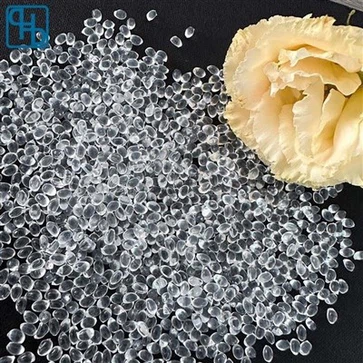
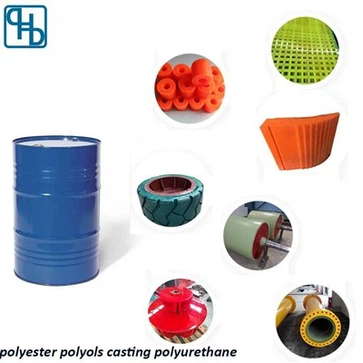
Polyester polyols are chemical compounds derived from the reaction of polyfunctional alcohols with dicarboxylic acids, commonly used in the production of polyurethanes for applications such as foams, coatings, and adhesives.
Beiqiao has rigid foam series ,adhesive series ,thermoplastic polyurethane series and casting polyurethane series
Improved physical properties such as higher resistance to wear and tear from physical contact or constant use of surfaces that incorporate polyester polyols. Other physical properties include durability, flex fatigue resistance, and increased resistance to sliding abrasions.
Excellent resistance to water, alkaline and acidic components, and a diverse range of polar solvents. Increased resistance to chemicals and oils makes polyol-based polyurethane adhesives suitable for application on surfaces in hazardous environments.
Increased thermo-oxidative stability makes the polyols suitable for use within high-temperature applications and environments.
The durability and flex resistance of polyester polyols also serves as vibration-dampening and shock-absorption materials to protect surfaces.
Types of Polyester Polyols
Polyester Polyols Used for Adhesive
Polyester Polyols Used for Adhesive refers to an adhesive that is composed of polyester polyol as its main ingredient.Polyester polyols are synthetic polymers produced when diols and dicarboxylic acids combine. Polyester polyols have great bonding qualities when utilized in adhesives.
Polyester Polyol For TPU
Polyester Polyols Used for Thermoplastic Polyurethane,has the advantages of low chromaticity and stable activity. What's more,it's viscosity, easy cutting, excellent mechanical strength, high wear resistance, tear resistance and fast molding, and can adjust molecular weight according to customer requirements.
Polyester Polyols Used for Rigid Foam
Polyester polyol used for Rigid foam can be widely used in refrigerator, cold storage, spraying, solar energy, thermal pipelines, building insulation and other areas of hard foam composition, some of the adhesive products.Polyester polyols are mainly aromatic polyester polyols prepared by polycondensation or modification of phthalic anhydride, diethylene glycol and other raw materials. They are mainly used in the field of rigid foam and adhesives. They have the advantages of low odor, low color, high reaction activity, excellent hydrolysis stability, high aromatic content, good stability and fluidity of composite materials, And the product structure can be adjusted according to customer requirements.
Application of Polyester Polyols




Insulation Boards
Polyester polyols are utilized in the production of insulation boards, which are commonly employed in construction and building applications to provide effective thermal insulation, moisture resistance, and soundproofing. Here's how polyester polyols are applied in insulation board manufacturing:Polyester polyols serve as key components in the production of polyurethane foam insulation boards. When combined with isocyanates and other additives, polyester polyols undergo a chemical reaction to form rigid polyurethane foam. This foam has excellent thermal insulation properties, low thermal conductivity, and high compressive strength, making it suitable for insulating walls, roofs, floors, and other building components.
Applications in Construction
Polyester polyol is widely used in the construction industry for insulation materials, sealants, and adhesives. Polyurethane foams derived from polyester polyol provide effective insulation, enhancing energy efficiency and thermal resistance in structures. Additionally, polyester polyol-based sealants and adhesives offer reliable bonding solutions for diverse construction materials.
Textiles and Fibers
In the textile industry, polyester polyol is utilized in the production of synthetic fibers, offering properties such as strength, resilience, and wrinkle resistance. These polyester polyol-based fibers are commonly used in clothing, home furnishings, and industrial fabrics, providing durability and versatility in various applications.
Coating Industry
Polyester polyols play a vital role in the coating industry, serving as essential components in the formulation of various types of coatings. Here's how polyester polyols are applied in the coating industry:Polyurethane CoatingsPolyester polyols are commonly used in the production of polyurethane coatings, which are renowned for their durability, flexibility, and chemical resistance. By reacting polyester polyols with isocyanates, polyurethane polymers are formed, providing coatings with excellent adhesion to substrates such as metals, plastics, wood, and concrete. Polyurethane coatings find applications in automotive finishes, industrial equipment, architectural coatings, and protective coatings for various surfaces.
How to distinguish polyether, polyether polyol and polymer polyol
The synthetic materials of polyether polyol and polyether polyol are different.
Polyester polyol prepared by polycondensation of dicarboxylic acid, glycol, etc. Due to different varieties or different preparation processes, different varieties of polyester polyols have different properties. For polyester polyols, the more important indicators are hydroxyl value, acid value, moisture, viscosity, molecular weight, density, chromaticity, etc.Polyether polyol (polyether for short) is formed by addition polymerization of ethylene oxide, propylene oxide and butane oxide under the action of catalyst. The production of polyether is to use glycerin as initiator and epoxide as raw material to produce various general polyether polyols by changing the feeding mode of PO and EO.
Polyether polyols and polyols have different risks
Carbon steel. Aluminum stainless steel, polyethylene or polypropylene, polyester polyols are all non hazardous transportation products. When liquid polyester is stored at low temperature for a long time, turbidity will occasionally occur. At about 80 ℃, this phenomenon can be eliminated after short-term heating, and the quality will not be affected. Polyester polyol is easy to absorb moisture, and moisture in the atmosphere shall be avoided during storage.The toxicity of neutral polyether alcohol in contact with oral cavity, skin and eye mucosa is negligible, and no personal protective measures are required during use. As the amino polyether polyol has alkaline effect and will irritate the skin and eyes, safety glasses, gloves and other protective equipment should be worn during operation. Avoid sun, rain and fire during storage.
How to Choose Polyester Polyols
Quality and Consistency
The quality of blended polyols is paramount. Ensure that your supplier adheres to strict quality control standards and consistently delivers products that meet your specifications.
Customization Options
Look for a supplier who offers a range of blended polyol formulations and the flexibility to tailor products to your specific needs. Customization can be critical in achieving the desired properties for your end products.
Technical Support
A reputable supplier should provide technical support and guidance, especially if you are new to working with blended polyols. Their expertise can be invaluable in optimizing your processes.
Supply Chain Reliability
Evaluate the supplier’s track record for reliability in terms of product availability and on-time delivery. An unreliable supply chain can disrupt your production schedules.
Regulatory Compliance
Ensure that the supplier complies with all relevant industry regulations and safety standards. This is particularly important in industries with strict regulatory requirements, such as construction and automotive.
Reputation and References
Seek feedback from other companies that have worked with the supplier. Positive references and a solid reputation in the industry can instill confidence in your choice.
Process of Polyester Polyols
Raw Material Preparation
The primary raw materials for polyester polyol production are diacids (or their anhydrides) and diols. Commonly used diacids include adipic acid, phthalic anhydride, and terephthalic acid. For diols, ethylene glycol and propylene glycol are frequently chosen. These materials are prepared and purified to meet the specifications required for polyester polyol synthesis.
Esterification Reaction
The core of the polyester polyol production process is the esterification reaction, where diacids react with diols under controlled conditions. This reaction can be direct esterification, involving the direct reaction of diacids with diols, or transesterification, where esters react with diols, often using a catalyst to speed up the reaction and improve yield. The choice between direct esterification and transesterification depends on the raw materials and the desired properties of the final product.
Polycondensation
After the initial esterification, the reaction mixture undergoes further polycondensation, where small molecules like water are eliminated, and long-chain polyester molecules are formed. This step is crucial for building the molecular weight of the polyester polyol, and it’s carefully controlled to achieve the desired molecular weight distribution and functionality.
Catalysts and Additives
Throughout the process, catalysts and additives may be used to enhance the reaction rates, improve product quality, and impart specific properties to the polyester polyol. Common catalysts include organotin compounds, while additives can range from stabilizers and flame retardants to colorants, depending on the application of the polyester polyol. The choice and amount of catalyst can greatly influence the reaction rate and the properties of the polyester polyol.
End-Group Modification
The properties of polyester polyols can be further modified by altering the end groups of the polymer chains. This can involve adding functional groups that can react further in applications like polyurethane production, enhancing the reactivity and compatibility of the polyester polyol with other components in the final product.
Purification and Quality Control
After synthesis, the polyester polyol is purified to remove any unreacted monomers, catalyst residues, and by-products. The purification process must be designed and operated to efficiently remove these contaminants without degrading the quality of the polyester polyol. This can involve several steps, including vacuum distillation, filtration, and neutralization.The final product is then subjected to rigorous quality control tests to ensure it meets the required specifications for molecular weight, hydroxyl number (an indicator of functionality), acidity, color, and moisture content.
Market Prospects of Polyester Polyols
Environmental Protection Trend
With the improvement of environmental protection awareness, the environmental protection performance requirements of chemical products are getting higher and higher. As a kind of green chemical raw material with low toxicity and low volatility, polyester polyol will be more and more favored by the market.
Technological Innovation
In order to improve the performance and quality of polyester polyols, companies need to continue to increase technology research and development efforts to promote product upgrades. In the future, high-performance, high quality polyester polyols will be more competitive in the market.
Expand Application Fields
In addition to traditional polyurethane foam materials, coatings, adhesives and other fields, polyester polyols can also be expanded to more fields, such as biomedicine, new energy and so on. The development of these emerging fields will further promote the demand growth of the polyester polyol market.
Our Factory
Shandong Beiqiao New Material Technology Co., Ltd.
Is a manufacturing and trading combo that provides global integrated services, focusing on the production, sales, research, and development of polyurethane.BEIQIAO is also a rapidly developing new scientific and technological enterprise dedicated to the research, processing, promotion, and sales of various other new materials,such as carbon fiber series, organic silicon series and High-end polyolefin (POE) series.Furthermore, BEIQIAO continue to increase R&D investment and constantly to launch more new material products with wider application fields, better application effects and higher performance.


Certificate


FAQ
As one of the most professional polyester polyols manufacturers and suppliers in China, we're featured by quality products and good service. Please rest assured to buy high-grade polyester polyols from our factory.
regulation polyester polyols, agglomeration polyester polyols, cushion polyester polyols