

TPU
Why Choose Us
Quality Control
Our factory has a long history in the professional field and has received strong support from the government. It has advanced production equipment and a strict quality management system.
One-stop Solution
We can help customers develop more valuable and effective project solutions. We are committed to meeting customer needs in a timely manner and providing personalized solutions.
Rich Experience
We have an experienced technical team and management team to ensure the stability and reliability of our products.
Excellent Team
Beiqiao pays attention to team building and talent training, and has a high-quality R&D team and sales team that is energetic, experienced, and efficient.
TPU, or thermoplastic polyurethane, is a thermoplastic elastomer (TPE). Okay, so “what's a thermoplastic elastomer?” you may be asking. Well, the chemical composition gets a bit technical, but essentially it's a rubber-plastic hybrid. The American Chemistry Council even describes TPU as the “bridge between rubber and plastics.”Rubber and plastic are both incredibly useful materials individually, and the combination of the elasticity of rubber with the strength of plastic makes TPU a sort of super material. Manufacturers can determine the ratio of rubber to plastic, changing the relative strength and flexibility according to the need.
-
![Recycled Polyester & Polyether TPU Granules]() Recycled Polyester & Polyether TPU GranulesShandong Beiqiao New Materials supplies high-performance recycled TPU granules, including polyester TPU regrind and polyether TPU regrind. We offer complete Shore hardness grades especially for...read more
Recycled Polyester & Polyether TPU GranulesShandong Beiqiao New Materials supplies high-performance recycled TPU granules, including polyester TPU regrind and polyether TPU regrind. We offer complete Shore hardness grades especially for...read more -
![Adhesive Series TPU Elastomers]() Adhesive Series TPU ElastomersOur adhesive grade TPU elastomer is high performance thermoplastic polyurethane material, widely used for hot melt adhesive, solvent adhesive, textile lamination, footwear bonding, heat transfer...read more
Adhesive Series TPU ElastomersOur adhesive grade TPU elastomer is high performance thermoplastic polyurethane material, widely used for hot melt adhesive, solvent adhesive, textile lamination, footwear bonding, heat transfer...read more -
![Polyether-Based TPU]() Polyether-Based TPUHigh-Performance Polyether-Based TPU – Superior Hydrolysis & Flex Resistance for Long-Lasting Applicationsread more
Polyether-Based TPUHigh-Performance Polyether-Based TPU – Superior Hydrolysis & Flex Resistance for Long-Lasting Applicationsread more -
![Ordinary Polyester Series TPU]() Ordinary Polyester Series TPUHigh-Performance Polyester-Based TPU – Superior Abrasion & Chemical Resistance for Demanding Applicationsread more
Ordinary Polyester Series TPUHigh-Performance Polyester-Based TPU – Superior Abrasion & Chemical Resistance for Demanding Applicationsread more -
![Moisture Vapor Transmission TPU Granules]() Moisture Vapor Transmission TPU GranulesBreathable TPU Granules – High Moisture Vapor Transmission Rate for Functional Films & Membranesread more
Moisture Vapor Transmission TPU GranulesBreathable TPU Granules – High Moisture Vapor Transmission Rate for Functional Films & Membranesread more -
![Extrusion Grade Polyester-based TPU Granules]() Extrusion Grade Polyester-based TPU GranulesExtrusion Grade Polyester-Based TPU Pellets – High-Performance Thermoplastic Polyurethane for Flexible Applicationsread more
Extrusion Grade Polyester-based TPU GranulesExtrusion Grade Polyester-Based TPU Pellets – High-Performance Thermoplastic Polyurethane for Flexible Applicationsread more -
![Injection molding TPU]() Injection molding TPUInjection molding TPU Application: Injection molding / shose,ear tag,wheel etc.read more
Injection molding TPUInjection molding TPU Application: Injection molding / shose,ear tag,wheel etc.read more
Characteristics: Good processing performance, Molding fast, Easy demolded, Excellent abrasive resistance. -
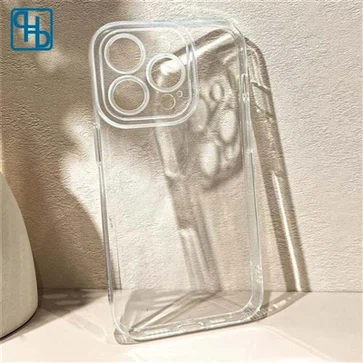
![TPU Granules Used for Phone Cases]() TPU Granules Used for Phone CasesTPU granules used for phone case is a durable and versatile material. It's easy processing, fast de-molding and excellent surface performance. This TPU case granule has a high elasticity rate...read more
TPU Granules Used for Phone CasesTPU granules used for phone case is a durable and versatile material. It's easy processing, fast de-molding and excellent surface performance. This TPU case granule has a high elasticity rate...read more -
![TPU for Footwear]() TPU for FootwearTPU for Footwear are a type of thermoplastic polyurethane material that can be made into TPU soles together with midsole polyurethane (PU),it is a polymer material with a wide range of...read more
TPU for FootwearTPU for Footwear are a type of thermoplastic polyurethane material that can be made into TPU soles together with midsole polyurethane (PU),it is a polymer material with a wide range of...read more -
![High Hardness TPU Granules]() High Hardness TPU GranulesHigh hardness TPU granules offer several advantages, including abrasion and wear resistance, smooth surface finish, high elasticity, low-temperature and impact strength, resilience to oils and...read more
High Hardness TPU GranulesHigh hardness TPU granules offer several advantages, including abrasion and wear resistance, smooth surface finish, high elasticity, low-temperature and impact strength, resilience to oils and...read more -
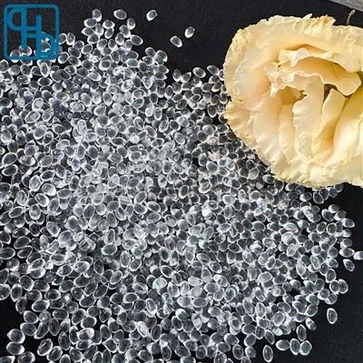
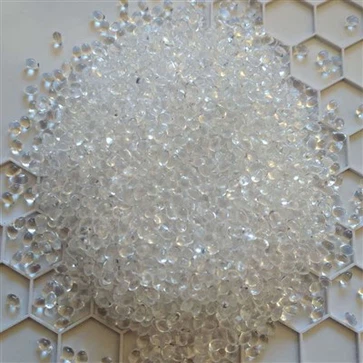
![High Transparency TPU Granules]() High Transparency TPU GranulesHigh transparency TPU granules is high transparency, abrasion resistance, good toughness, UV resistance, low temperature resistance, hydrolysis resistance and oil resistance.read more
High Transparency TPU GranulesHigh transparency TPU granules is high transparency, abrasion resistance, good toughness, UV resistance, low temperature resistance, hydrolysis resistance and oil resistance.read more -
![TPU Extrusion]() TPU ExtrusionTPU Extrusion granules are thermoplastic polyurethane materials specially designed for extrusion processes. They offer excellent mechanical properties and good processing flow. These granules...read more
TPU ExtrusionTPU Extrusion granules are thermoplastic polyurethane materials specially designed for extrusion processes. They offer excellent mechanical properties and good processing flow. These granules...read more


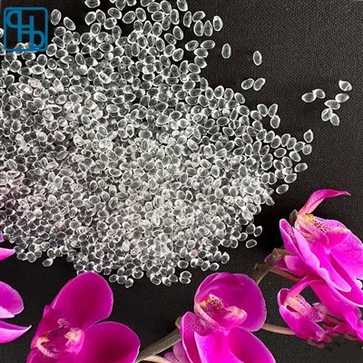
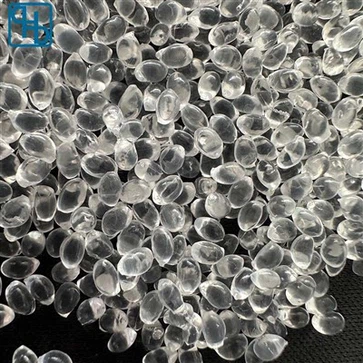

Thermoplastic Polyurethane (TPU) is a versatile polymer with exceptional flexibility, durability, and resistance, widely used in applications such as flexible films, medical devices, and various industrial and consumer products.
Beiqiao can supply Film Series ,Hot-melt Adhesive Series ,TPU-Extrusion Series and so on.
Benefits of TPU
Biocompatibility
TPU can be formulated to be biocompatible as a specific grade such as medical-grade. Medical device/component manufacturers place the utmost importance on the biocompatibility of TPU, and thus medical-grade TPU is extensively used in applications such as central venous catheters, cancer treatment devices, and guidewire coatings.
Comprehensive Range of Hardness
TPU ranges from several shore hardness, making it well-suited for diverse applications that require TPUs with different hardness grades. For example, soft-touch grips, protective cases, medical devices, and automotive components.
High Degree of Flexibility and Elasticity
TPU is characterized by its outstanding elasticity and flexibility, from rigid & stiff to soft and flexible, making it an ideal choice for various applications. The material is stretchable and bendable without altering its shape or compromising its performance. This feature enables the production of sportswear, footwear, and seals in which resilience and flexibility are essential requirements.
Versatile Processing Techniques
With its remarkable capabilities and properties, TPU can be processed through various techniques such as injection molding, extrusion, blow molding, and 3D printing. This versatility allows for more efficient manufacturing and customization of products across a spectrum of industries.
Chemical Resistance
TPU exhibits good resistance to solvents, chemicals, oils, and greases. This chemical property allows it to maintain its stability and performance even with the presence of other substances. This characteristic makes it suitable for manufacturing tubing, gaskets, and seals in chemical or fluid handling systems.
Durability and Wear Resistance
TPU shows excellent durability with a high degree of wear resistance. It is capable of enduring abrasion, impact, and harsh environments. Therefore, TPU is widely adopted to manufacture products that require resilience in demanding usage or outdoor applications.
Types of TPU
Extrusion Grade Polyester-based TPU Granules
Extrusion grade Polyester-based TPU is a thermoplastic elastomer that exhibits properties that are valuable for many industrial applications. Extrusion grade Polyester-based TPU Granules is abrasion resistant, oil and grease resistant and has strong mechanical properties. Like other thermoplastic elastomers, it is elastic and is melt-processable. It is transparent and easily colored.Extrusion grade Polyester-based TPU is composed of hard and soft segments, increasing its flexibility and use for different applications. The unique structure of TPU provides it with high resilience, good compression set, resistance to impacts, abrasions, tears, weather, and hydrocarbons. TPU offers this flexibility without the use of plasticizers. It can be used as both a hard and soft engineering thermoplastic.
Injection Grade Polyester Based TPU Granules
Thermoplastic polyurethane is often abbreviated as TPU. It is a melt-processable thermoplastic elastomer. It has the characteristics of both plastic and rubber. Thus, it exhibits properties like durability, flexibility, and excellent tensile strength. It fulfills the needs of many demanding applications. These include automotive, wires and cables, sports, and textile coatings.TPU is the material of choice in applications where abrasion resistance is critical. These include automotive interior parts, sports and leisure, technical parts, and specialty cables. It shows excellent results when compared to other thermoplastic materials.
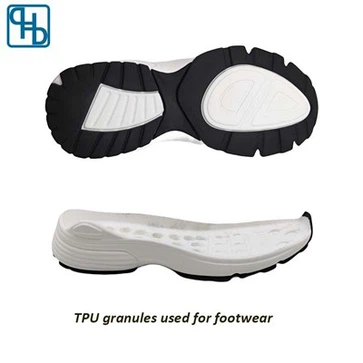
TPU Granules Used for Footwear
TPU granules used for footwear is a material from thermoplastic polyurethane ,which make sole light ,elastic ,flexible ,abrasion properties. with a midsole polyurethane (PU) to get a TPU sole .
Thermoplastic polyurethane can be made in any color with transparent, even a combination of colors in the exterior. The midsole PU is frequently made in bright colors.
Also have many other kinds of TPU ,such as
TPU for Leisure sports
TPU for Electronic accessories
TPU for Economical series
TPU for Extrusion series
TPU film
TPU for Moisture Vapor Transmission series
TPU for Hotmelt Film
Polyether-based TPU
Expanded TPU
Application of TPU




Automotive
Although it has been decades since automotive design companies started using 3D printing in prototyping and functional parts for the exteriors and interiors of vehicles, TPU makes it possible to design components focusing on the driver's improved comfort, such as customized seats and headrests. Using TPU, textures might range from functional and rigid to luxurious and soft, depending on the vehicle's interior part. There are also various finishes available for automotive applications.
Consumer Accessories
The industry of 3D printing is famous for increasing the choices available to consumers in terms of accessories, primarily because of the enormous potential made possible by the expanded freedom of design and the ability to customize. This is specifically valid for products such as smartphone cases that allow customers to fully personalize an item to add unique and exciting touches they can't live without. TPU is also a great option to add customization and quality to highly functional everyday objects, such as handles and rubber mats.
Fashion Projects
Today's fashion design services also harness the potential of advanced materials like TPU and additive manufacturing. This flexible thermoplastic can 3D print clothes that respond to the body's movement. 3D printing is also a great way to breathe life into items with highly intricate designs and turn them into wearable traditional garments.
Footwear
The footwear industry has been reaping the powerful effects of 3D printing on various levels. Designers working from their homes or studios can produce new eco-friendly creative designs on demand and send them to 3D printing services. Many large corporations also use materials such as TPU to max out the designs for futuristic-looking epic running shoes with various features designed to propel forward everyday wearers and athletes in terms of stamina and comfort.
Robotic And Industrial Uses
TPU is an abrasion-resistant and robust plastic material that industrial designers can use for 3D printing industrial pipes or tools. It also provides high friction possibilities that allow 3D print grippers. These benefits can all be used for industrial or robotic uses. Despite their flexibility, TPU 3D-printed parts boast excellent resistance to fatigue, impact, and stress.
Medical Devices
TPU is also behind in developing several medical devices that bear lightweight and complex geometries that might have been impossible before with just traditional manufacturing. Medical device design professionals can create different products such as implants, prosthetics, and braches that can be 3D printed. This offers patients customized, safe devices that can endure long-term everyday use without irritating the skin.
How to Choose TPU
Application
TPU Polyester is better suited for applications that require high abrasion resistance and durability. TPU Polyether is better suited for applications that require high flexibility and softness.
01
Temperature Resistance
TPU Polyester has higher temperature resistance than TPU Polyether, making it suitable for applications that require exposure to high temperatures.
02
Chemical Resistance
TPU Polyester has better resistance to chemicals such as oils, solvents, and fuels, while TPU Polyether has better resistance to hydrolysis and water.
03
UV Resistance
TPU Polyester has better UV resistance than TPU Polyether, making it suitable for outdoor applications.
04
Cost
TPU Polyether is generally less expensive than TPU Polyester.
05
Process of TPU
Shrinkage Of Molded TPU Parts
Shrinkage is affected by molding condition such as hardness of raw material, thickness, shape, molding temperature and mold temperature of part. Usually shrinkage range is 0.005 ~ 0.020cm / cm. For example, a rectangular test piece of 100 * 10 * 2 mm has a gate in longitudinal direction and shrinks in flow direction, hardness of 75A is 2 to 3 times greater than that of 60D. Impact of TPU hardness and thickness on shrinkage is shown in Figure 1. It can be seen that when TPU hardness is between 78A and 90A, shrinkage of workpiece decreases with increasing thickness; when hardness is 95A to 74D, shrinkage of workpiece increases slightly with increasing thickness.
Runner And Cold Cavity
Main runner is a section of mold that connects nozzle of injection machine to sub runner or cavity. Diameter should be enlarged inward at an angle of more than 20 to facilitate demould of mold from runner. Sub runner is channel connecting main runner and each cavity in multi-slot mold. Layout on mold should be symmetrical and equidistant. Runner can be round, semi-circular, or rectangular, with a diameter of 6-9 mm. Surface of runner must be polished like a cavity to reduce flow resistance and provide a faster filling speed.Cold cavity is a cavity located at the end of main runner to capture cold material generated between two injections at the end of nozzle, thereby preventing clogging of runner or gate. Cold material is mixed into cavity, product is prone to internal stress. Cold cavity has a diameter of 8 ~ 10mm and a depth of about 6mm.
Gate And Exhaust
Gate is a channel that connects main runner or sub runner and cavity. Cross-sectional area is usually smaller than runner, which is the smallest part of runner system, and length should be short. Shape of gate is rectangular or round, and size increases with thickness of product. Thickness of product is less than 4mm and diameter is 1mm; thickness is 4 ~ 8mm and diameter is 1.4mm; Gate position is generally selected at the thickest part of product without affecting appearance and use, at a right angle to mold wall to prevent shrinkage and avoid swirling.
Stop Processing
Since TPU may degrade for a prolonged time under high temperature, after shutdown, it should be cleaned with PS, PE, acrylic plastic or ABS; if it is shut down for more than 1 hour, heating should be turned off.
Post-processing Of Products
Due to uneven plasticization in barrel or different cooling rates in mold cavity, TPU often produces uneven crystallization, orientation, and shrinkage, which results in internal stress in products. This is more prominent in thick-walled products or products with metal inserts. Products with internal stress often suffer from a decrease in mechanical properties during storage and use, surface has silver streaks or even deformation and cracking. Way to solve these problems in production is to anneal products. Annealing temperature depends on hardness of TPU product.
How to Maintain TPU
Avoid Sunlight Exposure To TPU
The TPU storage area should be cool and ventilated, and the TPU can be sealed in plastic bags and placed in a place without sunlight.
Spray Yellow-resistant Paint
There are usually two forms of paint spraying, one is spraying inside the mold and the other is spraying outside the mold. The spraying of yellow-resistant paint will form a protective layer on the surface of the TPU finished product to prevent the PU skin from contacting the atmosphere. Pollution yellowing, this form has been widely used.
Add Anti-yellowing Agent
In order to strengthen the anti-yellowing ability of TPU products, it is often necessary to add a special anti-yellowing agent to the raw materials, but the anti-yellowing agent is expensive, and we should also measure its economic benefits when using anti-yellowing agents, such as our black The body is not sensitive to yellowing, so we can use cheaper non-yellowing raw materials without added anti-yellowing agent. Since the anti-yellowing agent is a raw material additive, it is added to component A. We require stirring when mixing In order to distribute evenly and achieve anti-yellowing effect, otherwise local yellowing will occur.
Use A Good Mixing Ratio
A good ratio can make the I liquid and P liquid achieve the fullest mixing reaction without incomplete reflection. When these phenomena occur, the finished product will be resistant to hydrolysis and greatly reduce the anti-yellowing ability, especially when the ratio is too high. Will accelerate the yellowing of the finished product.
Our Factory
Shandong Beiqiao New Material Technology Co., Ltd.
Is a manufacturing and trading combo that provides global integrated services, focusing on the production, sales, research, and development of polyurethane.BEIQIAO is also a rapidly developing new scientific and technological enterprise dedicated to the research, processing, promotion, and sales of various other new materials,such as carbon fiber series, organic silicon series and High-end polyolefin (POE) series.Furthermore, BEIQIAO continue to increase R&D investment and constantly to launch more new material products with wider application fields, better application effects and higher performance.


Certificate


FAQ
As one of the most professional tpu manufacturers and suppliers in China, we're featured by quality products and good service. Please rest assured to buy high-grade tpu from our factory.
tpu transportation, tpu troubleshooting, tpu for automotive