

Flexible Polyurethane Foam
Why Choose Us
Quality Control
Our factory has a long history in the professional field and has received strong support from the government. It has advanced production equipment and a strict quality management system.
One-stop Solution
We can help customers develop more valuable and effective project solutions. We are committed to meeting customer needs in a timely manner and providing personalized solutions.
Rich Experience
We have an experienced technical team and management team to ensure the stability and reliability of our products.
Excellent Team
Beiqiao pays attention to team building and talent training, and has a high-quality R&D team and sales team that is energetic, experienced, and efficient.
Flexible polyurethane foam (FPF) is a polymer produced from the reaction of polyols and isocyanates, a chemical process pioneered in 1937. FPF is characterized by a cellular structure that allows for some degree of compression and resilience that provides a cushioning effect. Because of this property, it is a preferred material in furniture, bedding, automotive seating, athletic equipment, medical uses, packaging, footwear, and carpet cushion. It also plays a valuable role in soundproofing and filtration. In all, over 1.5 billion pounds of foam are produced and used every year in the U.S. alone.
-
![POLYMER POLYOL 50% POP 50%]() POLYMER POLYOL 50% POP 50%High-Quality Polymer Polyol 50% (POP 50%) – Reinforced Polyol for High-Performance Polyurethane Foamsread more
POLYMER POLYOL 50% POP 50%High-Quality Polymer Polyol 50% (POP 50%) – Reinforced Polyol for High-Performance Polyurethane Foamsread more -
![HIGH ACTIVE POLYETHER POLYOL 8000MW PPG 8000 FOR HIGH RESILIENCE SOFT FOAM]() HIGH ACTIVE POLYETHER POLYOL 8000MW PPG 8000 FOR HIGH RES...High-Performance Polyether Polyol 8000 MW (PP8000) – Ideal for High-Flexibility PU Systems and Soft Elastomersread more
HIGH ACTIVE POLYETHER POLYOL 8000MW PPG 8000 FOR HIGH RES...High-Performance Polyether Polyol 8000 MW (PP8000) – Ideal for High-Flexibility PU Systems and Soft Elastomersread more -
![POLYETHER POLYOL 2000 MW PPG 2000 FOR SLOW REBOUND SOFT FOAM]() POLYETHER POLYOL 2000 MW PPG 2000 FOR SLOW REBOUND SOFT FOAMPremium Polyether Polyol 2000 (PPG 2000) – Ideal for Slow Rebound Memory Foam Applicationsread more
POLYETHER POLYOL 2000 MW PPG 2000 FOR SLOW REBOUND SOFT FOAMPremium Polyether Polyol 2000 (PPG 2000) – Ideal for Slow Rebound Memory Foam Applicationsread more -
![POLYETHER POLYOL PPG 6000]() POLYETHER POLYOL PPG 6000High-Performance Polyether Polyol 6000 (PPG 6000) – Ideal for Flexible PU Foam and CASE Systemsread more
POLYETHER POLYOL PPG 6000High-Performance Polyether Polyol 6000 (PPG 6000) – Ideal for Flexible PU Foam and CASE Systemsread more -
![POLYMER POLYOL POP 45%]() POLYMER POLYOL POP 45%High-Quality Polymer Polyol 45% (POP 45%) – Optimal for Flexible PU Foam Applicationsread more
POLYMER POLYOL POP 45%High-Quality Polymer Polyol 45% (POP 45%) – Optimal for Flexible PU Foam Applicationsread more -
![COPOLYMER POLYOL POP 25%]() COPOLYMER POLYOL POP 25%High-Performance Polymer Polyol 25% (POP 25%) – Premium Raw Material for Flexible PU Foamread more
COPOLYMER POLYOL POP 25%High-Performance Polymer Polyol 25% (POP 25%) – Premium Raw Material for Flexible PU Foamread more -
![COPOLYMER POLYOL POP 15%]() COPOLYMER POLYOL POP 15%High-Performance Polymer Polyol 15% (POP 15%) – Ideal for Flexible PU Foam Applicationsread more
COPOLYMER POLYOL POP 15%High-Performance Polymer Polyol 15% (POP 15%) – Ideal for Flexible PU Foam Applicationsread more -
![POLYMER POLYOL 10% POP 10%]() POLYMER POLYOL 10% POP 10%High-Performance Polymer Polyol 10% (POP 10%) – Enhanced Reactivity & Load-Bearing for Flexible Foam Applicationsread more
POLYMER POLYOL 10% POP 10%High-Performance Polymer Polyol 10% (POP 10%) – Enhanced Reactivity & Load-Bearing for Flexible Foam Applicationsread more -
![Polyether Polyol 3500 PPG 3500]() Polyether Polyol 3500 PPG 3500High-Purity Polyether Polyol 3500 (PPG 3500) – Ideal for Flexible Polyurethane Foam and CASE Applicationsread more
Polyether Polyol 3500 PPG 3500High-Purity Polyether Polyol 3500 (PPG 3500) – Ideal for Flexible Polyurethane Foam and CASE Applicationsread more -
![POP45 Polymer Polyol For Mattress]() POP45 Polymer Polyol For MattressPOP45 Polymer Polyol for Mattress is an inactive polymer polyol modified with a styrene-acrylonitrile (SAN) polymer with a solid content of approx 45% by weight. It effectively combines a high...read more
POP45 Polymer Polyol For MattressPOP45 Polymer Polyol for Mattress is an inactive polymer polyol modified with a styrene-acrylonitrile (SAN) polymer with a solid content of approx 45% by weight. It effectively combines a high...read more -
![Polyether Polyols for High Resilience Foam]() Polyether Polyols for High Resilience FoamPolyether Polyols for High Resilience Foam is a popular choice for a variety of applications, including automotive seating and cushioning. Some of the advantages of polyurethane foam include:...read more
Polyether Polyols for High Resilience FoamPolyether Polyols for High Resilience Foam is a popular choice for a variety of applications, including automotive seating and cushioning. Some of the advantages of polyurethane foam include:...read more -
![Conventional Polyol PPG MW 3000]() Conventional Polyol PPG MW 3000Conventional Polyol PPG MW 3000 ,Polyether Polyol is for industrial use. Component(s) for the manufacture of urethane polymers.read more
Conventional Polyol PPG MW 3000Conventional Polyol PPG MW 3000 ,Polyether Polyol is for industrial use. Component(s) for the manufacture of urethane polymers.read more


Benefits of Flexible Polyurethane Foam
Furniture Industry
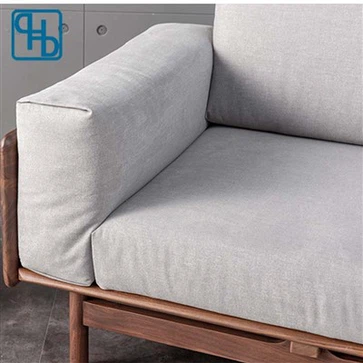
Flexible polyurethane foam is the main filling material used in the furniture industry, especially in parts such as armchairs, sofas and beds. Offering high comfort and long life, flexible foam is an ideal choice thanks to its capacity to maintain its form and its ability to distribute pressure evenly. In addition, the air permeability of the foam increases the breathability of the products, offering healthier use.
Automotive Industry
In the automotive industry, flexible polyurethane foam is a critical component in the interior design of vehicles. This foam is especially used in the production of parts such as seat cushions, head restraints and door interior panels. In addition to providing comfort and safety inside the vehicle, flexible polyurethane foam offers an extra layer of safety for passengers with its energy absorption properties. In addition, the light weight of this material contributes to fuel efficiency by reducing the total weight of vehicles. Thanks to its sound insulation feature, the noise level in the vehicle is significantly reduced, thus providing a quieter and more peaceful driving experience.
Packaging Materials
Flexible polyurethane foam is also used in the packaging sector where sensitive devices and products need to be protected during transportation. It provides high protection against impacts and prevents damage to products. Its light weight reduces packaging costs, while its flexible structure creates a perfect protection layer by wrapping products of different shapes and sizes.
Health and Sanitary Products
In the medical sector, flexible polyurethane foam is often used in mattress protectors, bandages for injuries and cushions to prevent bedsores. It is also used as a mattress material for patients requiring prolonged hospitalization, minimizing pressure points and providing a more comfortable lying time.These various applications reinforce the place of flexible polyurethane foam in technology and materials science and demonstrate how it plays an important role in many aspects of everyday life. Every application area where this material is used aims to maximize its properties and provide the best results for the end user.
Types of Flexible Polyurethane Foam
Single-component and Two-component foams
Single-component foam is used in unrestricted air flow rooms and outdoors. The reason is straightforward. The higher the humidity (over 35% ) and air temperature, the faster the foam cures. Because foam expands by around 35% in volume in about 25 minutes, cavities must be filled in about 50% or 60% of the time.Without the presence of moisture, two-component fitting foam is chemically cured. As a result, it can be used in difficult-to-access areas that are dry and require high-quality foam. This type of foam is also suitable for permanently joining woodwork. Because two-component foam expands in volume by around 30% in about 25 minutes, you should avoid filling cavities.
Open-cell and Closed-cell foams
There are two types of polyurethane foam: open-cell and closed-cell. The former is intended for indoor use, specifically for insulating walls and roofs and increasing acoustic comfort in a room, as polyurethane foam has a very high noise reduction coefficient in addition to thermal insulation properties. Because open-cell foam is vapor-permeable, we can say that a surface covered in it “breathes.” It is easily applied to a membrane or boarding when sprayed from the inside, directly on the roof.Another type of foam is closed-cell polyurethane foam, which is used outdoors and in high-humidity rooms due to its high water resistance, rigidity, and strength. Its structure is made up of more than 90% closed cells, and its density ranges from 30 to 60 kg/m3. Closed-cell polyurethane foam has a thermal conductivity coefficient ranging from 0.02 to 0.024 W/(m*K).
Application of Flexible Polyurethane Foam



Excellent Insulation and Sound Absorption
Flexible polyurethane foam is effective in providing both thermal insulation and sound insulation. This improves the comfort of living and working spaces, especially in noisy environments or cold climatic conditions.
Durability and Longevity
Flexible polyurethane foam offers high durability and is ideal for long-term use. This material can retain its original shape without deformation and maintains its performance even in high performance applications.
Cost Effectiveness
Flexible polyurethane foam, which is relatively low cost to produce and process, is an economical option thanks to its wide range of applications. In addition, these foams, which require low maintenance, provide economic savings in the long term.
Flexibility and Formability
Flexible polyurethane foam can be easily produced in desired shapes and sizes. This adaptability provides a great advantage in meeting specific design requirements.
Environmentally Friendly Options
With advancing technology, the production of flexible polyurethane foam is being made more environmentally friendly. The use of bio-based ingredients and recycling of waste foams help reduce the ecological footprint of this material.
The composition of the polyurethane foam depends on the desired properties and the intended use of the final product. However, it is always obtained from two reagents. The first of these are isocyanates-more precisely isomeric mixtures of toluene diisocyanate (TDI) or methyl diphenyl diisocyanate (MDI). The second component of the polyurethane foam are hydroxyl-terminated oligomers-polyesters or polyethers, called polyols.
The process of polyurethane foam formation is based on the addition polymerization reaction of two components-isocyanates with polyols, most often accompanied by an amine catalyst and water. The carbon dioxide that is released in the process is a foaming agent.
How to Choose Flexible Polyurethane Foam
Identify Specific Requirements
Before delving into the vast array of foam products, it is essential to identify your specific requirements. Evaluate the type of goods that require protection and their unique characteristics, such as fragility, weight, and shape. By understanding these needs, you can narrow the options and focus on finding the most suitable foam products.
Durability and Cushioning
When it comes to protective foam, durability and cushioning properties are paramount. Look for foams with excellent shock absorption capabilities to protect your products from impacts and vibrations. Foam materials like polyethylene foam and polyurethane foam are renowned for their superior cushioning properties, evenly distributing pressure and reducing the risk of damage during handling and transit.
Customisation Options
Every product has different dimensions and shapes, requiring customised solutions. Opt for foam products that can be easily tailored to accommodate your specific requirements. Techniques like die-cutting, water jet cutting, and contour cutting allow for precisely shaping and fitting foam inserts. Customisation ensures a snug fit, providing optimal protection for your goods.
Environmental Impact
In today's world, considering the environmental impact of our choices is crucial. Choose foam products that are eco-friendly and have minimal ecological impact. Look for foams that are recyclable, reusable, or made from renewable materials. You can reduce waste and conserve resources by opting for sustainable foam options.
Cost-effectiveness
While quality and performance are essential, cost-effectiveness also plays a significant role in decision-making. Assess the overall value provided by the foam products, considering factors such as durability, lifespan, and customisation options. Opting for high-quality foam products may result in long-term cost savings by minimising product damage and reducing replacements or repairs.
Process f Flexible Polyurethane Foam
Formulation
The process begins with the formulation of the foam, which typically involves mixing together polyols (polymeric resins), isocyanates, catalysts, blowing agents, surfactants, and additives. The exact composition and ratios of these components depend on the desired properties of the foam.
Mixing
The ingredients are mixed together in a high-speed mixer or blending unit. This ensures thorough mixing and dispersion of the components to achieve a uniform foam structure.
Pouring or Dispensing
The mixed foam formulation is then poured or dispensed into a mold or onto a conveyor belt, depending on the desired final product. The choice of mold or conveyor belt depends on factors such as foam density, thickness, and shape.
Expansion and Curing
Once poured into the mold or onto the conveyor belt, the foam formulation undergoes a reaction known as expansion and curing. During this phase, the blowing agent generates gas bubbles, causing the foam to expand and fill the mold or spread out evenly on the conveyor belt. Simultaneously, the polyurethane undergoes crosslinking reactions, forming a solid foam structure.
Foam Formation
The expanding foam is allowed to cure and cool, during which it solidifies into a flexible, cellular structure. The curing time can vary depending on factors such as the formulation, ambient temperature, and humidity.
Demolding or Cutting
Once the foam has sufficiently cured and cooled, it is removed from the mold or conveyor belt. In some cases, the foam may undergo additional processing steps such as cutting or shaping to achieve the desired final dimensions.
Post-treatment
After demolding or cutting, the foam may undergo additional post-treatment processes such as trimming, compression, or surface finishing to meet specific product requirements.
Quality Control
Throughout the manufacturing process, quality control measures are implemented to ensure that the foam meets the desired specifications for density, firmness, cell structure, and other properties. This may involve visual inspection, physical testing, and sampling.
Packaging and Distribution
Once the foam has passed quality control checks, it is packaged and prepared for distribution to customers or further processing into finished products such as mattresses, furniture cushions, automotive seating, and more.
Our Factory
Shandong Beiqiao New Material Technology Co., Ltd.
Is a manufacturing and trading combo that provides global integrated services, focusing on the production, sales, research, and development of polyurethane.BEIQIAO is also a rapidly developing new scientific and technological enterprise dedicated to the research, processing, promotion, and sales of various other new materials,such as carbon fiber series, organic silicon series and High-end polyolefin (POE) series.Furthermore, BEIQIAO continue to increase R&D investment and constantly to launch more new material products with wider application fields, better application effects and higher performance.


Certificate


FAQ
As one of the most professional flexible polyurethane foam manufacturers and suppliers in China, we're featured by quality products and good service. Please rest assured to buy high-grade flexible polyurethane foam from our factory.
POP 15 polyol used for sponge, PU Foaming Motorcycle Seats, PPG Polyol 3000MW