

Adipic acid is an important organic dibasic acid widely used in polyurethane production, nylon 66 manufacturing, plasticizers, adhesives, lubricants, and other industrial applications. Due to its stable chemical properties and broad downstream demand, adipic acid has become one of the key raw materials in the chemical industry. In industrial production and transportation, understanding its manufacturing process, storage conditions, and safety precautions is important for maintaining product quality and operational safety.
At present, the most widely used industrial manufacturing method for adipic acid is the cyclohexane oxidation process. In this production route, cyclohexane is first oxidized with air to produce a mixture of cyclohexanone and cyclohexanol. These intermediate materials are then further oxidized, commonly using nitric acid, to form adipic acid crystals. After crystallization, the product undergoes purification, filtration, drying, and packaging before becoming finished industrial-grade adipic acid.
This manufacturing technology has been adopted globally for many years because it supports large-scale continuous production and provides relatively stable product quality. The process is suitable for supplying adipic acid to industries such as polyurethane elastomers, polyester polyols, engineering plastics, and synthetic fibers. In recent years, with increasing environmental regulations and sustainability concerns, some manufacturers have also started exploring cleaner production technologies and emission reduction methods to improve process efficiency and reduce environmental impact during production.
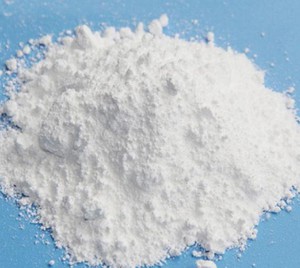
From a physical and chemical standpoint, adipic acid is typically supplied as a white crystalline powder with stable storage characteristics. It has a melting point of approximately 152°C and does not easily absorb moisture under normal storage conditions. Adipic acid is only slightly soluble in water but dissolves more easily in alcohols and certain organic solvents. Although considered a relatively stable chemical material, adipic acid remains combustible at high temperatures and should therefore be handled with appropriate precautions during storage and transportation.
For packaging, adipic acid is commonly packed in woven polypropylene bags with inner plastic liners, typically in 25kg packaging units. Large-volume industrial users may also purchase jumbo bag packaging for bulk transportation and storage. Proper sealing during packaging and shipment helps reduce moisture exposure and prevents product loss during handling.
Under normal industrial regulations, adipic acid is generally transported as a standard chemical product rather than a highly hazardous material. However, transportation should still follow general chemical handling guidelines, including protection from rain, high humidity, and physical damage to packaging during loading and unloading operations.