

Every year on October 1, China bursts into celebration for its National Day, marking the founding of the People's Republic of China in 1949. It is one of the most significant public holidays in the country, a time for both solemn reflection on history and festive enjoyment with family and friends. In this article, we will explore the history, traditions, celebrations, and cultural meaning of China's National Day, and why it continues to hold such importance in today's society.
Historical Background of China's National Day
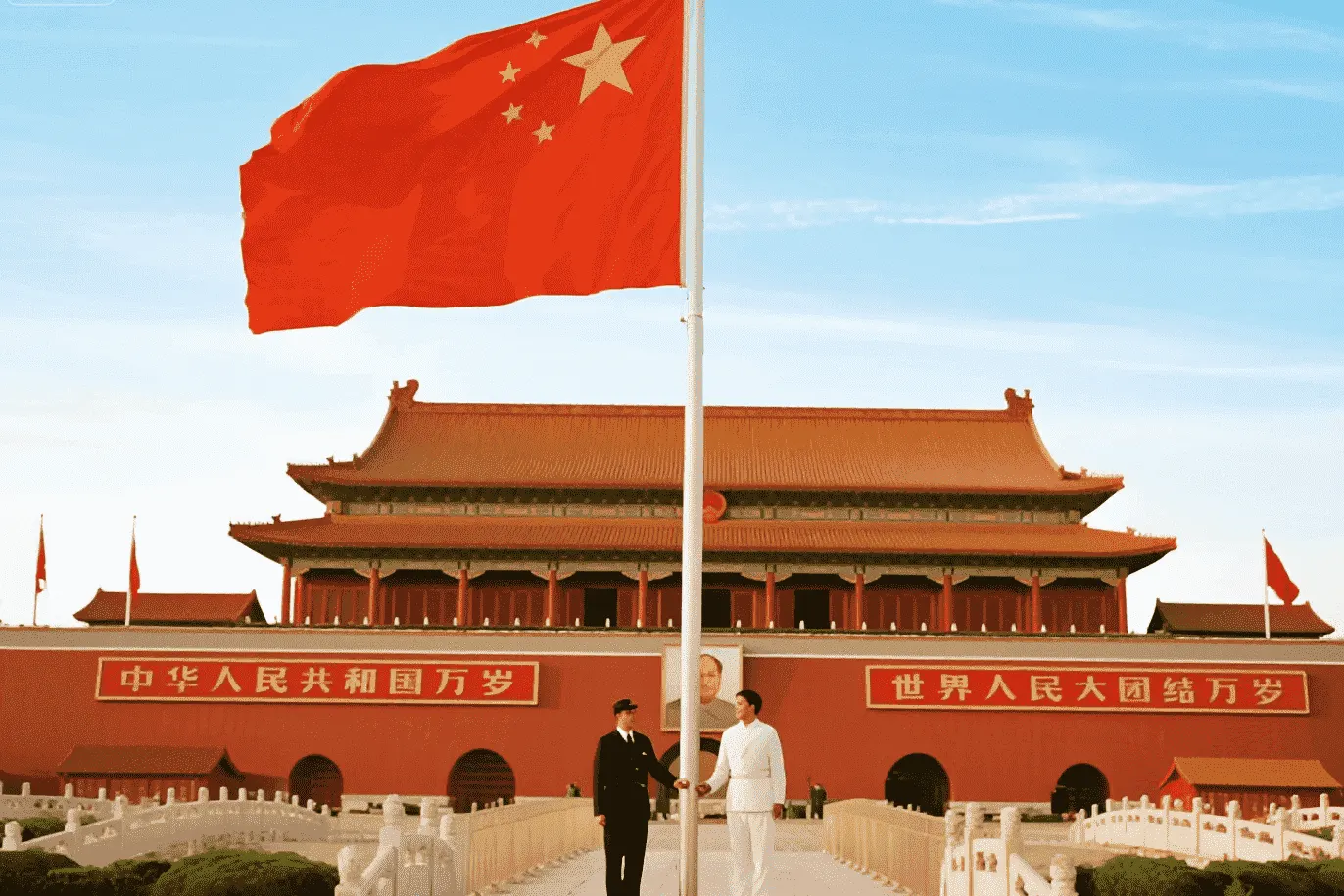
The origins of China's National Day trace back to October 1, 1949, when Mao Zedong, the founding father of the People's Republic of China, declared its establishment in Tiananmen Square, Beijing. The ceremony, attended by hundreds of thousands of people, marked a new chapter in Chinese history after years of struggle.
Since that day, October 1 has been designated as National Day, serving as a reminder of the nation's founding and progress. The first official National Day celebrations included parades and ceremonies, setting the precedent for future commemorations.
Over the decades, National Day has evolved in scale and style. Major milestone anniversaries-such as the 35th in 1984, 50th in 1999, 60th in 2009, and 70th in 2019-were marked by grand military parades, cultural performances, and extensive media coverage. These milestone events reinforce the holiday's role as both a symbol of history and a showcase of national strength.
Official Celebrations in Beijing
Beijing, as the nation's capital, is the heart of official National Day celebrations.
Flag-Raising Ceremony: On the morning of October 1, crowds gather in Tiananmen Square to witness the national flag being raised at sunrise. This solemn event is one of the most symbolic traditions of the holiday.
Military Parades: On significant anniversaries, the People's Liberation Army (PLA) showcases its strength through large-scale parades. These displays often include advanced weaponry, aircraft, and uniformed troops marching in perfect formation.
Fireworks and Light Shows: At night, fireworks illuminate the skies above Beijing, accompanied by spectacular light shows across landmarks.
Cultural Performances: Music, dance, and theatrical performances are organized by both government and cultural institutions, highlighting the richness of Chinese traditions.
The grandeur of Beijing's celebrations sets the tone for festivities nationwide, with media broadcasts allowing millions to participate virtually.