

Polyurethane wheel temperature resistance is not a single fixed parameter but rather a dynamic balance influenced by load, speed, and continuous operating time. A wheel that can effortlessly carry several tons at room temperature may require a significantly reduced load rating when used in a high-temperature environment. Likewise, the impact on the wheel differs greatly between short-term exposure to extreme temperatures and long-term operation near the material's thermal limits.
In general, standard polyurethane wheels perform optimally within a temperature range of –20°C to +70°C. Within this interval, polyurethane maintains its ideal hardness, elasticity, and abrasion resistance, making it a reliable choice for most indoor applications. Forklift wheels in logistics centers, conveyor rollers in manufacturing plants, and casters on office equipment are typical examples operating within this comfortable temperature envelope.
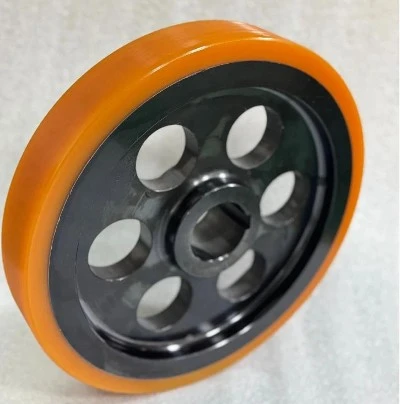
However, when environmental conditions move beyond this range, the material's physical characteristics begin to change in ways that matter. At temperatures below –20°C, conventional polyurethane gradually loses elasticity, becoming rigid and prone to cracking. This can lead to sudden wheel failure in outdoor winter operations or in cold-storage warehouses. In the opposite direction, when temperatures exceed 70°C and approach 100°C, the material begins to soften, reducing load-bearing capacity and accelerating wear. Equipment used near injection-molding machines, heat-treatment lines, or other high-temperature industrial processes frequently encounters this challenge.
To address such extreme working conditions, our company has developed specialized polyurethane formulations. Low-temperature-resistant polyurethane, produced using tailored polymer structures and modified plasticizer systems, pushes the lower operating limit to –30°C or even lower, making it suitable for cold-chain logistics, freezer-room automation, and scientific equipment used in polar environments.