

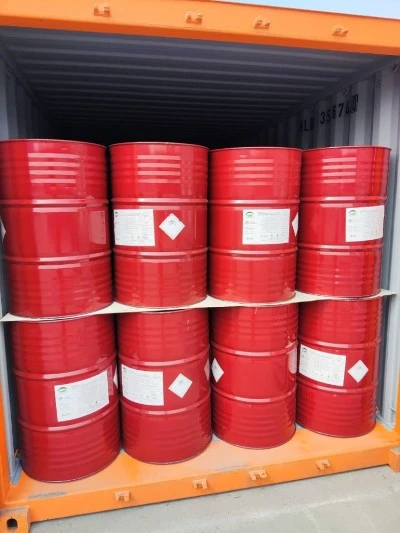
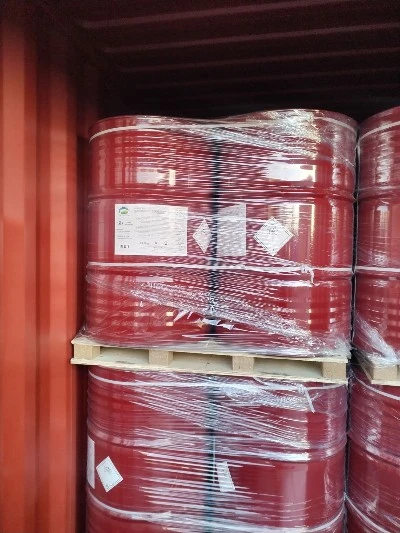
When it comes to the polyurethane industry, Toluene Diisocyanate, better known as TDI, plays an essential role. Among its different grades, TDI 80/20 is by far the most widely used. It is a liquid mixture made up of approximately 80% 2,4-TDI and 20% 2,6-TDI, giving it a balance of reactivity and processability that makes it ideal for large-scale industrial use. With its pale yellow appearance and strong chemical activity, TDI 80/20 serves as a cornerstone raw material in the production of foams, coatings, adhesives, and elastomers.
what is the Key Features of TDI 80/20?
One of the most notable advantages of TDI 80/20 is its high reactivity. It reacts quickly with polyols at relatively low temperatures, which shortens production cycles and increases efficiency. The versatility of this product also stands out. It can be combined with both polyether and polyester polyols, allowing manufacturers to fine-tune their formulations depending on whether they need flexibility, rigidity, or durability.
In addition, polyurethane materials based on TDI 80/20 offer excellent mechanical performance. Products typically show good tensile strength, resilience, and abrasion resistance, which means they can withstand tough working environments. Compared with other raw materials, TDI 80/20 also demonstrates stable processing characteristics, making it easier to handle in continuous industrial applications.
What is the Main Applications of TDI 80/20?
1. Flexible Foam
The largest use of TDI 80/20 is in flexible polyurethane foams, which are everywhere in modern life. In the furniture industry, it is the backbone of high-resilience foams used in sofas, mattresses, and cushions, providing comfort and support. In the automotive sector, it goes into seats, headrests, and interior components, ensuring safety and ergonomic design. Even in packaging, foams based on TDI 80/20 offer lightweight cushioning that protects delicate electronics and instruments during transport.
2. Coatings and Adhesives
TDI 80/20 is also a crucial ingredient in two-component polyurethane coatings and adhesives. These coatings stand out for their gloss, durability, and resistance to solvents and weathering. As a result, they are widely applied in wood finishes, metal protection, floor coatings, and even industrial equipment. Adhesives based on TDI 80/20 are valued in the shoe industry, construction, and general assembly because they provide strong bonding and long-lasting performance.
3. Elastomers
When formulated into cast elastomers, TDI 80/20 delivers products with outstanding wear resistance and tear strength. These materials are used in mining machinery liners, rollers, wheels, and vibration-damping parts, where durability is critical. The ability to maintain mechanical stability under continuous stress makes them indispensable in heavy-duty industrial settings.
4. Sealants and Encapsulation
Another important field is sealants and potting compounds. In electronics and construction, TDI 80/20 helps create polyurethane materials that are resistant to moisture, temperature fluctuations, and mechanical stress. This ensures long-term protection of sensitive equipment and reliable sealing in demanding environments.
Because of its versatility and economic advantages, TDI 80/20 remains one of the most important building blocks in the global polyurethane value chain. As industries such as furniture, automotive, construction, and packaging continue to grow, the demand for high-quality foams and coatings will only rise. At the same time, new areas like green building materials, energy-efficient furniture, and lightweight vehicles are creating fresh opportunities for TDI-based products.
Any needed please contact us at whatsapp