

The primary function of a polyurethane binder is to act as a resilient adhesive that locks rubber granules together, creating a seamless, porous, and highly durable surface. Unlike traditional paving materials such as concrete or asphalt, the combination of EPDM rubber and advanced polyurethane formulation offers an elite level of shock absorption, reducing injuries for children on playgrounds and enhancing performance for athletes on running tracks. Industry experts note that the chemistry behind these binders has shifted dramatically over the past decade. Where manufacturers once relied heavily on standard, rigid formulations, today the market demands tailored elasticity, moisture-curing flexibility, and exceptional resistance to intense ultraviolet radiation.
One of the most critical challenges facing global infrastructure deployment is climate variability. In regions experiencing extreme summer heat or freezing winter temperatures, lower-grade binding agents frequently fail, leading to surface cracking, hardening, and the dangerous shedding of loose rubber granules. The latest generation of premium PU binders addressing the EPDM market utilizes advanced moisture-curing technology that adapts seamlessly to varying humidity levels during the installation process. This ensures a consistent, uniform bond that prevents premature degradation even under continuous exposure to heavy foot traffic and volatile weather patterns.
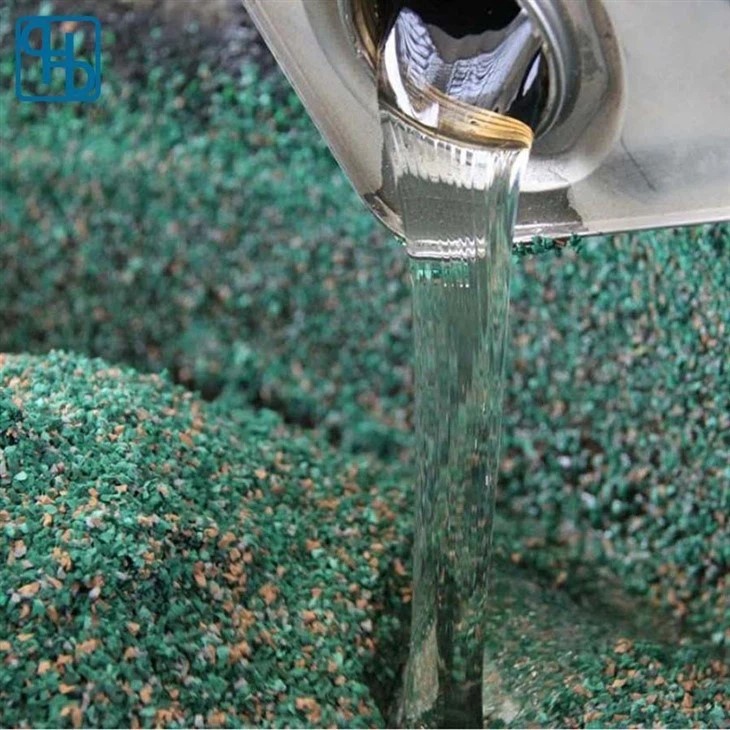
In addition to physical durability, environmental compliance has emerged as a major catalyst for product innovation in the chemical manufacturing sector. Traditional binders often contained volatile organic compounds and heavy metals that posed risks to installation crews and the surrounding ecosystem. The modern push within the polyurethane industry focuses entirely on eco-friendly, solvent-free formulations. Leading producers are now engineering single-component, MDI-based polyurethane binders that emit zero volatile organic compounds during application and curing. This shift aligns directly with stringent municipal regulations in Europe and North America regarding public health and environmental safety in school environments.
From a logistics and installation perspective, the usability of the binder remains a defining factor for contractors in the field. Polyurethane binders must offer an optimized working time, allowing installation teams sufficient opportunity to mix, level, and smooth the rubber granules before the chemical reaction takes place. If a binder cures too quickly in high humidity, the surface becomes uneven and unmanageable. Conversely, if the curing process is too sluggish, project timelines are extended, increasing labor costs and exposing the unfinished surface to potential rain damage. The balance achieved by contemporary polymer engineering provides contractors with a reliable window of operation across a broad range of atmospheric conditions.