

Solvent Resistance Is One Of The Most Important Performance Characteristics Of Polyurethane Prepolymers, Particularly For Those Applied In Demanding Industrial Environments. It Refers To The Ability Of The Material To Maintain Its Structure And Properties When Exposed To Oils, Fuels, Acids, Alkalis, Cleaning Agents, Or Other Organic Solvents. Instead Of Swelling, Dissolving, Or Degrading When In Contact With Chemicals, Solvent-Resistant Polyurethane Prepolymers Provide Stability, Reliability, And Durability For A Wide Range Of Applications.
Extending Service Life
One of the primary roles of solvent resistance is to significantly extend the service life of polyurethane-based components. In industries such as mining, printing, chemical processing, and oil and gas, parts like rollers, seals, and liners are frequently exposed to oils, fuels, and solvents. If the prepolymer itself resists solvent attack, the finished products are less likely to swell, deform, or fail prematurely. This translates directly into longer operational cycles and fewer shutdowns for replacement.
Maintaining Mechanical Properties
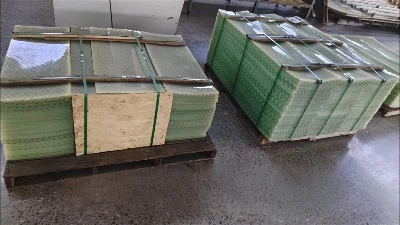
Ordinary polyurethane materials may soften, lose strength, or undergo dimensional changes when exposed to solvents. However, formulations based on solvent-resistant prepolymers are engineered to preserve their hardness, tensile strength, elasticity, and abrasion resistance even in aggressive chemical environments. This stability ensures that equipment continues to operate under designed mechanical loads without unexpected deterioration, making them highly dependable for continuous industrial use.
Expanding Application Areas
The development of solvent-resistant polyurethane prepolymers has opened new opportunities across multiple industries:
Oilfield equipment, where resistance to crude oil, diesel, and lubricants is essential.
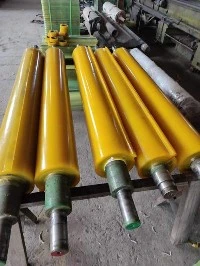
Printing industry, where rollers and components must withstand repeated exposure to cleaning solvents.
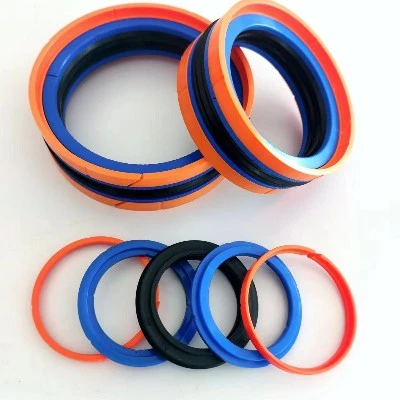
Chemical industry, particularly for seals, gaskets, and lining materials that are in direct contact with acids, alkalis, or organic solutions.
Automotive components, such as fuel system parts, seals, and grommets, which require resistance to gasoline, engine oil, and brake fluids.
By maintaining stability under these conditions, solvent-resistant polyurethane enables manufacturers to design parts for harsher working environments without sacrificing reliability.
Reducing Maintenance Costs
Durable components not only extend service life but also reduce operational and maintenance costs for enterprises. Because solvent-resistant parts degrade less frequently, the replacement cycle is lengthened, and fewer resources are required for downtime and labor. This efficiency ultimately leads to improved productivity and lower total cost of ownership for users.