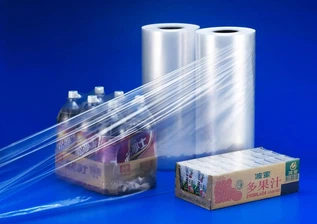
TPU (thermoplastic polyurethane) composite film is a high-performance elastic membrane that combines the strength of plastics with the flexibility of rubber. It is widely used in high-end applications across medical, industrial, and consumer sectors.
Structure of TPU Composite Films
TPU can be combined with various substrates to create films with different functional properties. Common structures include:
TPU / PET – enhances dimensional stability, often used in automotive interiors.
TPU / Nylon – improves abrasion resistance for outdoor and protective gear.
TPU / Fabric (e.g., polyester) – provides soft, flexible composites for footwear and apparel.
TPU / PE – improves heat-sealing performance for medical and sterile packaging.
Key Properties
High elasticity: Tensile elongation typically reaches 300%–600%, with excellent rebound.
Low-temperature flexibility: Remains soft at –30 °C, outperforming PVC in cold environments.
Abrasion and tear resistance: Suitable for applications exposed to frequent bending and friction, such as shoe components.
Environmentally friendly: Free of plasticizers and can meet RoHS requirements.
Good weldability and heat-sealing: Easy to process into complex shapes.
Application Fields
Medical:
Breathable waterproof medical films for surgical gowns and wound dressings.
Outer layers of medical tubes requiring flexibility and sterilization resistance.
Sports & Outdoor:
Waterproof, breathable fabrics as alternatives to Gore-Tex-type laminates.
Inflatable products such as boats, protective gear, and air cushions.
Industrial:
Automotive interior laminations for dashboards and airbag coatings.
Protective layers for flexible electronics and industrial components.
Consumer Products:
Footwear materials-TPU-laminated uppers to enhance stability and support.
Shock-absorbing layers for phone cases and portable electronics.
TPU Composite Film vs. Other Elastic Films
| Property | TPU Composite Film | PVC Composite Film | TPE Film |
|---|---|---|---|
| Elasticity | Excellent | Average | Moderate |
| Low-temperature performance | Soft at –30 °C | Hardens around –10 °C | Usable to –20 °C |
| Environmental profile | Non-toxic, recyclable | Contains plasticizers (may include DOP) | Partially degradable |
| Cost | Higher | Low | Medium |
Production Processes
Cast extrusion: Molten TPU is extruded through a die and laminated with the substrate.
Thermal lamination: TPU film is bonded to fabrics through heated rollers.
Coating: TPU solutions or dispersions are applied to a substrate and dried into a uniform film.