

Description:
BQ 248 is a single-coat, solvent-based reactive adhesive. According to process requirements, it can also be used in a dual-coat system together with a primer or topcoat. It is designed for bonding various polar substrates. These substrates include ceramics, concrete, steel, plated metals, aluminum, copper, as well as many thermoplastics (such as nylon, polyester, and carbon fiber) and certain thermosetting resins (such as polyurethane, epoxy, and phenolic resins).
BQ 248 is a second-generation product that incorporates the latest technology to provide stable and reliable bonding performance in harsh environments.
Features and Benefits:
Versatility – BQ 248 has a wide range of applications. It is commonly used as a primer for various polar substrates and as an adhesive for many thermosetting resins (e.g., polyurethane and DAP). When used in combination with BQ 200B, BQ 248 can bond many rubbers (e.g., ACM, ECO, EPDM).
Ease of Use – Suitable for spraying, dipping, or brushing.
Fast Drying – BQ 248 contains fast-drying solvents that help reduce manufacturing time.
Typical Physical Properties:
|
Appearance |
Clear to semi-transparent liquid |
|
Viscosity, Zahn 3 @ 22°C (72°F) |
22 s |
|
Solids Content |
22.00% |
|
Density |
0.9 Kg/l |
|
Curing Temperature Range |
80°C – 225°C |
|
Flash Point (Abel Closed Cup) |
-2°C |
|
Solvent |
Butanone, 2-methoxy-1-methylethyl acetate |
|
Shelf Life |
24 months |
Application:
Mixing-BQ 248 does not require mixing before use. If dilution is necessary, use BQ 248 thinner or consult your distributor for recommendations. Containers must be properly supported and grounded before opening, mixing, or emptying.
Depending on the application process (brushing, dipping, spraying), dilution ratios of 25%, 50%, 100% or higher may be used as required.
Addition of BQ 200B-Under low-temperature conditions, BQ 248 can be combined with BQ 200B. This improves environmental resistance and shortens bonding time.
The working life of the mixed adhesive is 8 hours. Adding 10% BQ 200B enables BQ 248 to bond to pre-cured rubber and many other surfaces.
Substrate Surface Preparation-Remove all surface contaminants, including dust, oil, grease, water, and oxidized metal or polymer layers.
To ensure optimum adhesion to glass, clean the surface first using a vinegar-modified glass cleaner before priming.
Application Methods-Application methods include spraying, dipping, brushing, and roller coating.On metal substrates, optimum adhesion is achieved with a dry film thickness of 20 µm – 25 µm. Fabrics and curtains require a thinner coating.Use only in well-ventilated areas.
Brush Coating Thickness-When applied by brush without dilution, the typical film thickness is approximately 15 µm.
Drying and Curing-BQ 248 contains volatile solvents and dries rapidly at 20°C. Avoid excessively thick single applications, as this will prolong drying time.
The adhesive bonds quickly to substrates, and bond strength improves over time. After application, ensure complete drying to prevent solvent retention on the substrate surface, which may cause weak adhesion.
Curing time varies depending on substrate composition, size, and temperature (typically 2–4 hours pre-curing at 100–120°C).
Shelf life of coated parts is 3 months. When BQ 200B is added, the working life is 1 day.
Weather Resistance-Resistant to high temperature, boiling water, salt water, salt spray, and hydraulic oil.
Cleaning-Use MEK (methyl ethyl ketone) or a mixture of MEK and MPA (2-methoxy-1-methylethyl acetate).
Storage-Store coated parts below 30°C and protect them from contamination (water, oil, dust).
BQ 248 is highly flammable and must be stored in a cool, dry, well-ventilated area, protected from contamination and moisture.
Do not open until ready for use. Reseal containers tightly when not in use.
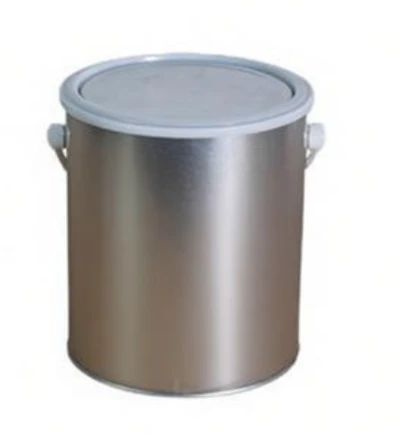
Packaging-4 L, 25 L, and 200 L containers.