

Mid-May has brought a subtle yet critical shift to the global polyurethane raw material market as major international chemical producers initiate a synchronized wave of facility maintenance. From Shanghai and Tokyo to Jubail and Seoul, a concentrated shutdown of methyl diphenyl diisocyanate production capacity has led to a noticeable contraction in global supply. However, this tightening on the supply side has not triggered the anticipated urgency among buyers. Downstream manufacturers across sectors including refrigeration, automotive components, construction insulation, and flexible foam production are maintaining a strictly cautious approach. Observing the market from the sidelines, buyers are limiting transactions to immediate operational needs, refusing to accumulate excess inventory. With supply constricting and demand remaining subdued, the market finds itself in a fragile equilibrium.
Over the past month, the scale of this manufacturing pause has become apparent. In East China, a major facility suspended operations for a planned one-month maintenance cycle, while Japan's Tosoh paused production for an estimated forty days. Meanwhile, Sadara's large-scale plant in Saudi Arabia has yet to resume operations since idling in late March, and Kumho in South Korea continues to run at a reduced operating rate. These simultaneous disruptions represent a significant portion of active global output, ensuring that spot availability will remain exceptionally tight over the coming weeks. Industrial analysts suggest this trend is not purely coincidental but driven by clear operational logic. The second quarter is a traditional maintenance window to mitigate high summer running risks. Furthermore, strong profit margins since the beginning of the year have given producers the financial buffer to endure extended maintenance periods, effectively managing inventory and supporting current price levels.
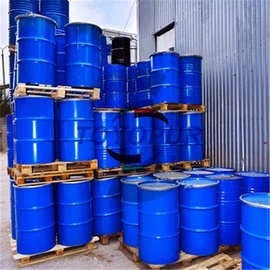
Conversely, the downstream response remains uninspired. Factories are facing narrowed profit margins due to high raw material costs and are resistant to stocking up on expensive inputs. This buyer strike has split trading sentiments, with some distributors withholding volume in anticipation of higher future prices, while others accelerate liquidations to lock in profits. Adding to the complexity, correlated materials show divergent signals. Toluene diisocyanate has slipped significantly this month, and polyether polyols have experienced cost relief as propylene oxide prices ease from their recent peaks.
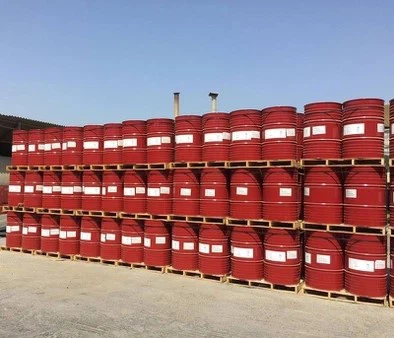
Looking ahead, market experts anticipate narrow fluctuations in the immediate term, as tight supply battles weak purchasing interest. The true turning point will arrive around mid-June when the scheduled maintenance cycles conclude and normal output returns to the market. On a broader scale, the industry faces structural adjustments, including trade tariff updates in North America that redirect trade flows toward emerging markets, multi-billion dollar project investments in the Middle East, and ongoing capacity expansions within domestic chemical clusters. While increased long-term capacity points to an eventual normalization of material costs, the current maintenance season will likely keep the immediate market landscape highly constrained.